
Landscaping does more than make a property look nice. It can improve resale value, create a better experience for visitors or tenants, and even help prevent costly drainage or maintenance problems down the line. In southern West Virginia, with all its trees, hills, and unpredictable weather, smart landscaping goes a long way toward protecting your property. Whether you’re taking care of a business location or just trying to keep your own yard in shape, here’s where the real payoff starts to show.
Where Value Shows Up
Landscaping adds value in different ways—some you can see right away, and others you only notice over time. For residential and commercial properties alike, the payoff comes from a mix of curb appeal, long-term savings, and intelligent planning that prevents problems before they start. Let’s look at how these benefits play out in real life.
1. Curb Appeal That Matters
First impressions count—whether you’re listing a home or welcoming clients to a business. A clean, well-maintained landscape conveys to people that the property is cared for and adds an immediate sense of order and pride. That doesn’t always mean elaborate design; even simple things like trimmed edges, fresh mulch, and healthy grass can raise perceived value. For businesses, a well-kept landscape can shape how customers feel about what’s inside before they even walk through the door. And when it comes to homes, great curb appeal often helps them sell faster—and for a better price.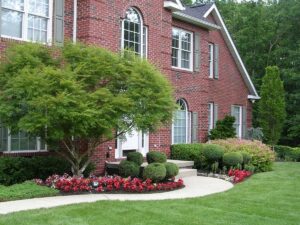
2. Long-Term Property Value
Studies consistently show that well-planned landscaping can add 5–15% to a home’s resale value. And it’s not just about how things look—choosing the right plants, building healthy roots, and planning for drainage can save you from bigger problems down the road. A yard that’s been well cared for over time holds up better when the weather gets rough. It’s more resilient—and less likely to leave you dealing with surprise repairs. For commercial properties, landscape improvements can make a site more appealing to tenants and reduce turnover, especially in multi-unit or customer-facing buildings.
3. Functional Benefits That Save You Money
In regions like southern WV where heavy rains and tree cover are common, good landscaping does more than look nice—it protects your property. Proper grading, healthy turf, and well-placed plantings can reduce erosion, improve drainage, and even help avoid foundation or basement damage. Commercial sites also benefit from well-managed runoff, especially around parking lots, entrances, and walkways. When you plan a landscape around local conditions, it’s easier—and more affordable—to maintain than one that constantly needs fixing.

4. Shade, Cooling, and Energy Efficiency
Trees and shrubs do more than make a yard look nice—they can actually help keep things cooler. The right plants in the right spots can add shade, cut down on heat around buildings and walkways, and make outdoor spaces more comfortable. They can also block chilly winter winds or hide things you’d rather not see, like a busy road or utility box. All those small touches make a difference, especially with the hot summers and unpredictable winters we get in this region.
The Bottom Line
Landscaping may seem like a surface-level upgrade, but the return goes deeper than meets the eye. From higher property values and improved customer impressions to practical cost savings, the benefits of a well-maintained landscape are long-term—and often overlooked. Whether you’re considering ongoing maintenance or planning an upgrade, it’s worth taking a look at the big picture.
A smart landscape plan pays you back in more ways than one.
Whether you’re maintaining what you have or planning improvements, we can help you make the most of your outdoor space.
Contact us today to get started.