
Working with a landscape professional doesn’t mean handing over control of your yard; it means entrusting them to take care of it. One of the best aspects of the process is its collaborative nature. You bring your ideas—whether that’s a Pinterest board, a favorite flower, or simply “less mulch, more green”—and a sound designer helps shape them into something that works for your space, budget, and lifestyle.
Here’s what that process often looks like—and why it’s more fun than you might expect.
1. Walking the Space Together
Design usually starts with a walk-through. You’ll talk about how you use the space now (or wish you could), and a professional will start asking the kinds of questions that uncover details:
Do you want to soften a slope?
Add privacy near the back deck?
Make the front steps more welcoming.
A designer also sees things you might not. How the sun moves through the yard, where water naturally collects, how views change as you move through the space—all of those inform how the plan takes shape. Even basic questions like “Do you want to see color from the kitchen window?” can spark great ideas.
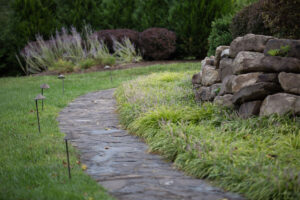 2. Looking at Entry Points, Corners, and Edges
Good landscape design often starts at the transitions: where people walk in, where the yard turns a corner, or where a structure meets the land. These spots are usually underused, and with the right plants or hardscaping, they can become some of the most charming parts of the yard. A designer will help you see opportunities in places you might not think to look—like along a side fence or next to a set of stairs.
3. How Inspiration Turns Into a Plan
Some clients come in with folders full of ideas; others say, “I don’t know—I just want it to look nice.” Either way, a good designer knows how to guide the process. That might mean pulling plant suggestions based on colors you like, showing different layout sketches, or creating a plan in phases to fit your budget. You don’t need to speak the language of design—you need to be willing to share what you like (and don’t like) and let the back-and-forth turn it into something tangible.
4. Balancing Big Ideas and Real Life
You may be looking for pollinator plants, space for a fire pit, or something low-maintenance that still looks beautiful. A designer helps translate those wants into reality, matching your goals with the site conditions, local climate, and your long-term upkeep comfort. For example, suppose you love the idea of pollinators but have deep shade.
In that case, they might suggest native plants that do well in shade but still attract butterflies and bees. The best part? You’re still in charge—you just have someone who knows the options and has your back.

5. Enjoying the Process
Designing your landscape should feel like a fun project, not just another item on the to-do list. It’s your chance to reimagine what your yard could be—and the process can be just as enjoyable as the final result. Whether you’re going all in or just looking to make a few thoughtful changes, having someone who listens, asks the right questions, and brings fresh ideas makes it way easier (and a lot more fun).
How about updating your yard? We’d love to walk it with you and help explore what’s possible.
Contact us today to get started.